3 Forms of Unity
Second semester, starts in July 2027. Classes are online, one evening a week, and recorded. Study the Three Forms of Unity: where each came from, what each confesses and why they still matter.
3 Forms of Unity
The Reformation produced three particular confessions, and they give the Reformed churches their own identity. The Belgic Confession (1561, also called the Dutch Creed), the Heidelberg Catechism (1563) and the Canons of Dort (1618/19) are examined in their historical background, nature, structure, substance, theological foundation and ecclesiastical significance.
The course concludes with an overview of the reception and influence of these documents on the African continent, with specific reference to translations.
Who will benefit from this?
This study seeks to reaffirm the Reformed beliefs of each member from Scripture. Its practical value for the daily life of every believer is pointed out. It also shows how these confessional standards, in a Scriptural way, determine the character of the Reformed churches.
You will learn:
- Why these documents came about and their significance for today
- How each one is composed and the truths contained in it
- How these truths should be applied to ecclesiastical, ethical, and moral issues in our modern times.
What are the Three Forms of Unity?
The Three Forms of Unity are the Belgic Confession (1561), the Heidelberg Catechism (1563) and the Canons of Dort (1618/19), the doctrinal standards shared by churches of the continental Reformed tradition, the GKSA among them. In Afrikaans they are the Drie Formuliere van Eenheid, and in Dutch the Drie Formulieren van Enigheid.
You will often find them printed at the back of Reformed Psalters and hymn books in South Africa. Office-bearers sign a declaration that these documents agree with Scripture. Each meets a different need of the congregation: the first states what the church believes, the second passes that faith on in questions and answers, and the third answers a dispute about how God saves sinners.
The Belgic Confession, 1561
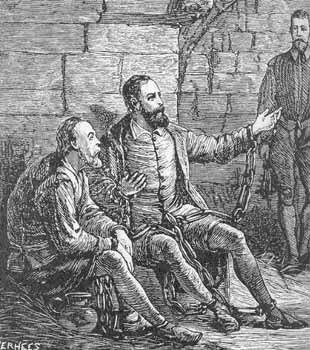
Guido de Brès wrote the Belgic Confession in French for Reformed believers in the Low Countries, who were being persecuted for their faith, and it was first published in 1561. Its 37 articles move from God and Scripture, through sin and salvation in Christ, to the church, the sacraments and civil government, and end with the last judgment. It is also known as the Netherlands Confession, in Afrikaans the Nederlandse Geloofsbelydenis.
Article 9 receives the three ancient creeds, the Apostles’, the Nicene and the Athanasian, in the doctrine of the Trinity. If you would like to study those first, the 3 Ecumenical Confessions course starts in January 2027.
The Heidelberg Catechism, 1563
The Heidelberg Catechism was drawn up in Heidelberg in 1563, at the request of Elector Frederick III of the Palatinate, to instruct the young and to guide preachers. Its 129 questions and answers are divided into 52 Lord’s Days, so a congregation can hear the whole catechism preached in a year. It opens with a question many believers know by heart: what is your only comfort in life and in death?
The Canons of Dort, 1618/19
The Synod of Dort met in Dordrecht in 1618 and 1619 to answer the Remonstrants, followers of Jacobus Arminius, who disputed the Reformed doctrine of election and grace. Its answer came in five heads of doctrine: election, the atonement, human corruption and conversion (the third and fourth heads, treated together), and the perseverance of the saints. The same synod also adopted the Belgic Confession and the Heidelberg Catechism as doctrinal standards, and the three have been taught together ever since as the Three Forms of Unity.
Why church members, elders and parents study them
If you learned answers in catechism class that you would now struggle to explain, this course takes you back to the documents behind them. You see where each article came from and which question in the church’s life it was written to settle.
If you are an elder or deacon who has signed these documents, knowing their background helps you apply them with care, whether at a home visit or around the church council table.
For a parent whose children attend catechism class, understanding the catechism yourself means you can answer their questions at the table, from Scripture.
For every church member, the fifth head of doctrine from Dort speaks to a question that comes up at sickbeds and funerals: can a believer be sure of salvation? The course shows how the church answered it, and why.
One evening a week, online and recorded
Classes are online, one evening a week, so you join from home after work. Every class is recorded. If a council meeting or a late shift clashes with class, you watch the recording later. Rev Dirk Meijer presents the course.
When it starts and what it costs
The course runs in the second semester, starting in July 2027. The July timetable is published on this page before the semester starts. The fee is R2,600 for the course.
The Reformed Theological Academy was established by the GKSA through its General Synod. Anyone can enrol; you do not need prior theological study.
Presented by:
Rev Dirk Meijer
Timetable
The July 2027 timetable will be published here before the semester starts. Classes are online and recorded.
Questions before you enrol
Is this the same as the Drie Formuliere van Eenheid?
Yes. Drie Formuliere van Eenheid is the Afrikaans name for the same three documents.
When does the course start and what does it cost?
It starts in July 2027, in the second semester, and costs R2,600. The July timetable is published on this page before the semester starts.
Do I have to attend every class live?
No. Classes are online, one evening a week, and every class is recorded so you can watch it later.
Do I need to have studied theology before?
No. Anyone can enrol, and no prior theological study is needed.
Who presents the course?
Rev Dirk Meijer presents the course.
Who can I ask about the course?
Minette Greyling answers questions on business days at [email protected].
